

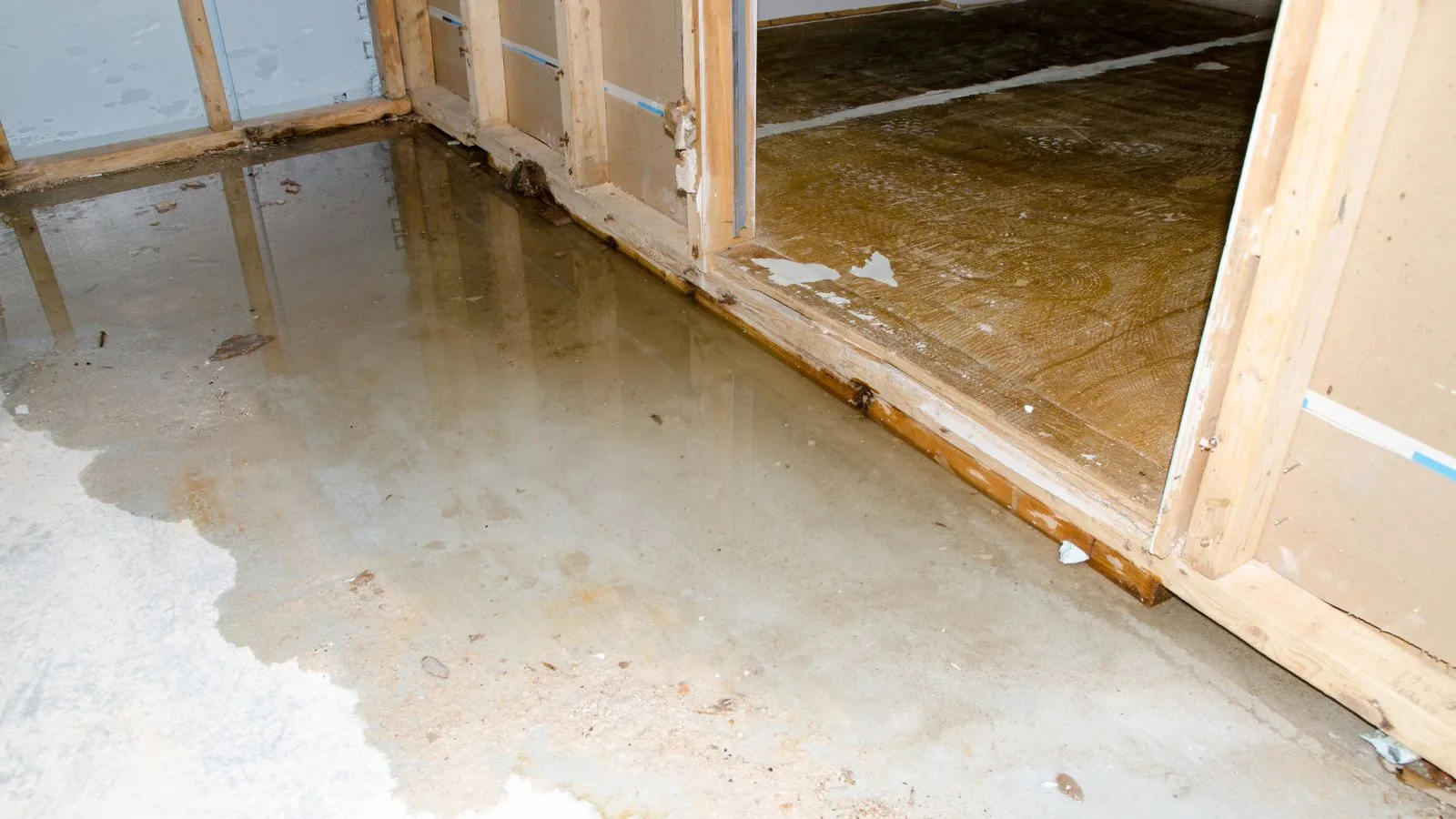
Commercial losses differ from home losses in one main way. Time is money, because a closed shop or a blocked warehouse aisle stops income. Mentor has a large retail corridor and a lot of commercial and industrial property, so a leak in a store, an office suite or a storage unit is a real possibility.
The goal on these jobs is to stop the water, protect inventory and equipment, and dry the space in a sequence that lets part of the building reopen early where it is safe.
If you manage a building, shut off the water source if you can, switch off power to wet areas only if it is safe, and call the 24/7 line. Tell the dispatcher the building type, the floor and whether tenants share the space.
Commercial water emergency: first steps for managers
- Close the main or the local shut-off valve. If the source is a roof leak, protect what is below it.
- Move inventory, files and electronics up and away from wet floors.
- Keep staff and customers out of wet and slippery areas.
- Do not use wet electrical equipment. Leave power decisions to an electrician if water reached outlets.
- Photograph the damage and list affected stock for your insurer.
- Call the 24/7 line and say how many units or rooms are wet.
Building types we work on
Retail and restaurants
Floors, back-of-house areas and stock rooms dry fast only if work is planned around opening hours.
Offices and multi-tenant suites
A leak in one suite can drip into the unit below, so tenants and the property manager need to be coordinated.
Warehouses and light industrial
Large floor areas and pallet racking call for extraction, careful stock moves and heavy dehumidification.
Churches, schools and community buildings
These buildings often have carpet and acoustic ceilings, which hold water and need quick attention.
Water in your shop or office?
Protect stock, shut off the source and call the 24/7 line.
How commercial drying is planned
A commercial job begins with a walk-through and a moisture map. Water in a commercial slab, a drop ceiling or an interior wall is handled differently from water in a house. The crew sets up equipment so that unaffected areas stay usable and wet areas dry in a logical order.
Documentation matters more on commercial claims. Daily readings, equipment logs and photos are kept so that you can give your insurer a record. The industry standard ANSI/IICRC S500 describes this documentation process, and you can ask any company whether its crews work to it.
Keeping the business open
Where the building allows it, the work is done in zones. A dry zone stays open while a wet zone is contained with plastic sheeting and negative air if needed. Evenings and weekends are possible for the noisier steps, and the 24/7 phone line helps schedule that.
If the damage is the result of a major storm, see cleanup after storm water. If sewage is involved, see the sewage backup page, because contaminated water changes the scope. For drying methods, see professional drying and dehumidification.
Tenants, leases and who calls the insurer
In a leased space, the lease says who is responsible for what. The landlord often carries the building policy and the tenant carries coverage for contents and improvements, so two insurers may be involved. Write down which items belong to whom before anything is moved.
The property manager should be told early, since a leak in one suite can come from another. Keep notes on who was called and when. That record helps if responsibility is argued later.
Commercial water damage cost factors
Square footage
A larger wet area means more equipment and labor.
Building systems
Suspended ceilings, raised floors and carpet tiles each have their own handling.
Hours of work
Night and weekend work to protect trading hours is priced differently.
Contents and stock
Moving and protecting inventory adds time.
Water category
Sewage or flood water adds cleaning and disposal.
Commercial policies often add business interruption terms that sit apart from the property terms, so loop in your broker as well as your insurer. For a real number on your building, call (833) 521-1033.
Commercial Water Damage Questions
Do you answer when a shop floods after closing time?
The line is open around the clock, which matters when a pipe fails in an empty shop. Call as soon as you find it.
Can part of the building stay open during drying?
Often yes. Work is planned in zones so that dry areas can be used while wet areas are contained and dried.
Do you work with property managers and tenants?
Yes. Multi-tenant losses involve several parties, and the crew records which unit is affected and where the water traveled.
What records do I get for my insurer?
Request the daily moisture log, photos and equipment record as the job goes on, and your insurer can say which of them it wants.