

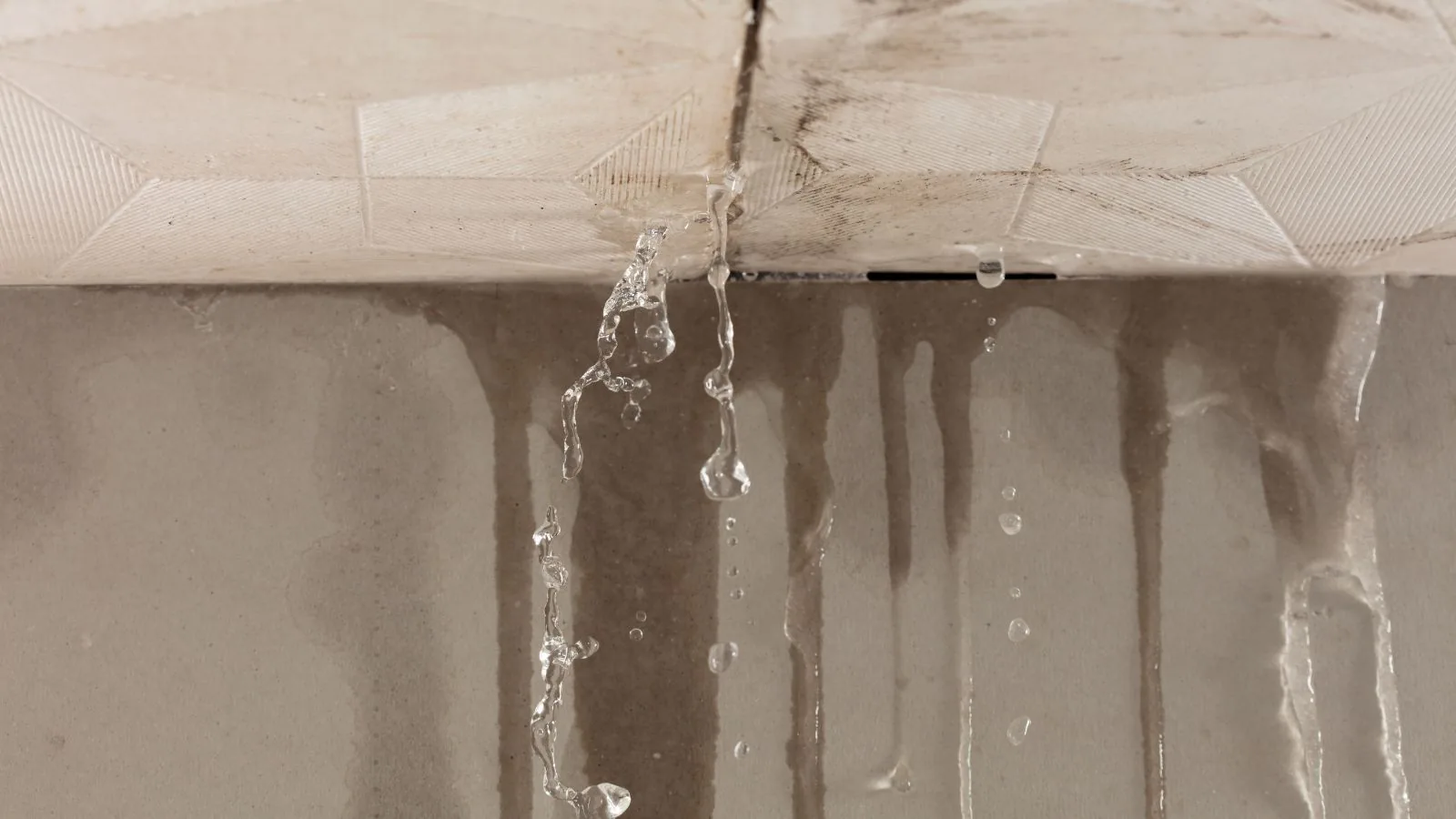
Storms cause water damage in three ways. Rain gets through a damaged roof or around a window, water rises at the foundation and enters the basement, and in heavy events creeks and streets spill over. Mentor sits near Lake Erie, and the area has seen flooding in past storms. The city's 2013 call for flood and sewer-backup reports shows how many homes a single storm can reach.
This page is about the water inside the building after a storm. Roof repair, tarping and tree removal belong to other trades, and an emergency tarp is often the first step to stop more rain from coming in.
Storm emergency: what to do first
- Stay out of rooms with sagging ceilings, and stay away from downed power lines.
- Move valuables away from drips and wet areas.
- Put buckets under active drips and use towels to slow spreading water.
- If the basement has water, do not go down while it is touching outlets or has reached the panel.
- Photograph the damage before moving things.
- Call the 24/7 line, and ask your insurer about emergency repair coverage for tarps.
Electricity and floodwater
Floodwater can hide live wiring and carry contamination. If water reached outlets, appliances or the panel, leave it to an electrician to say when power is safe.
Types of storm water damage
Roof and attic leaks
Wind can lift shingles, and the rain then soaks insulation and drips through ceilings. See ceiling water damage repair.
Wind-driven rain at windows
Rain forced sideways can get in around frames and wet walls and floors beneath them.
Basement seepage and flooding
Heavy rain raises groundwater and overloads drains. See the basement water damage page.
Overland flood water
Water from streets or creeks counts as contaminated. See flood damage restoration.
Rain still coming in?
Call the 24/7 line and describe where the water is entering.
Local storm background
County health guidance from 2013 told residents to throw out food that floodwater touched and soaked upholstered items such as mattresses, and warned against combining ammonia with bleach. Those instructions still apply after any storm that brings water inside.
Check the FEMA flood map for your address to see whether your lot is in a mapped flood area, and ask your building department about local drainage. This site does not state flood zones for any property.
How storm cleanup works
The crew first identifies the water category. Rain through a roof is usually clean at first but picks up dirt from insulation and attic dust. Groundwater and flood water are treated as contaminated. Standing water is extracted, wet insulation and drywall that cannot dry are removed, and the structure is dried with air movers and dehumidifiers.
A temporary cover on the roof or window is something the crew can help coordinate, though permanent roof work belongs to a roofer. Keeping the interior dry while repairs are scheduled prevents a second round of damage.
Documenting storm damage for your insurer
Storm claims depend on records. Take photos and video of every wet area before anything is moved, including the ceiling, the walls and the floor. Photograph the exterior damage that let water in, such as missing shingles or a broken window, and write down the time the storm hit.
Keep receipts for emergency steps like tarps and boarding. Throw out spoiled items only after photographing them, and keep a list. Many policies expect you to prevent further damage, so emergency tarping is usually part of what an insurer wants to see, though your own policy has the rules.
Storm water damage cost factors
Entry point
A roof leak wets ceilings and insulation, while a basement flood wets floors and walls.
Water category
Rain and flood water have different cleaning requirements.
Number of rooms
More rooms mean more equipment and labor.
Insulation and ceilings
Wet ceiling insulation is removed and replaced.
Roof and exterior repair
Roofing, siding and window repair are separate trades.
Home policies commonly treat wind, rain and flood as separate perils, and flood usually needs its own coverage. Ask your insurer which one your storm falls under. Call (833) 521-1033 for a real figure on the cleanup.
Rainwater that came in through a roof or window is sorted by category, as ANSI/IICRC S500 describes, and that sorting drives what is kept.
Storm Water Damage Questions
Is the line open while a storm is still going on?
Yes, the 24/7 line takes calls during storms. Call once it is safe to do so.
Can you put a tarp on my roof?
Roof work belongs to a roofer. The crew can help you find a temporary cover step so that rain stops coming in while repairs are planned.
Is rainwater that came through the roof contaminated?
It usually starts out relatively clean but picks up debris, so it is treated with care. Flood water from the ground or streets is contaminated.
What should I throw out after storm water?
Health authorities advise discarding food that touched floodwater and soaked mattresses and upholstered furniture. Ask a professional about carpet and drywall.