

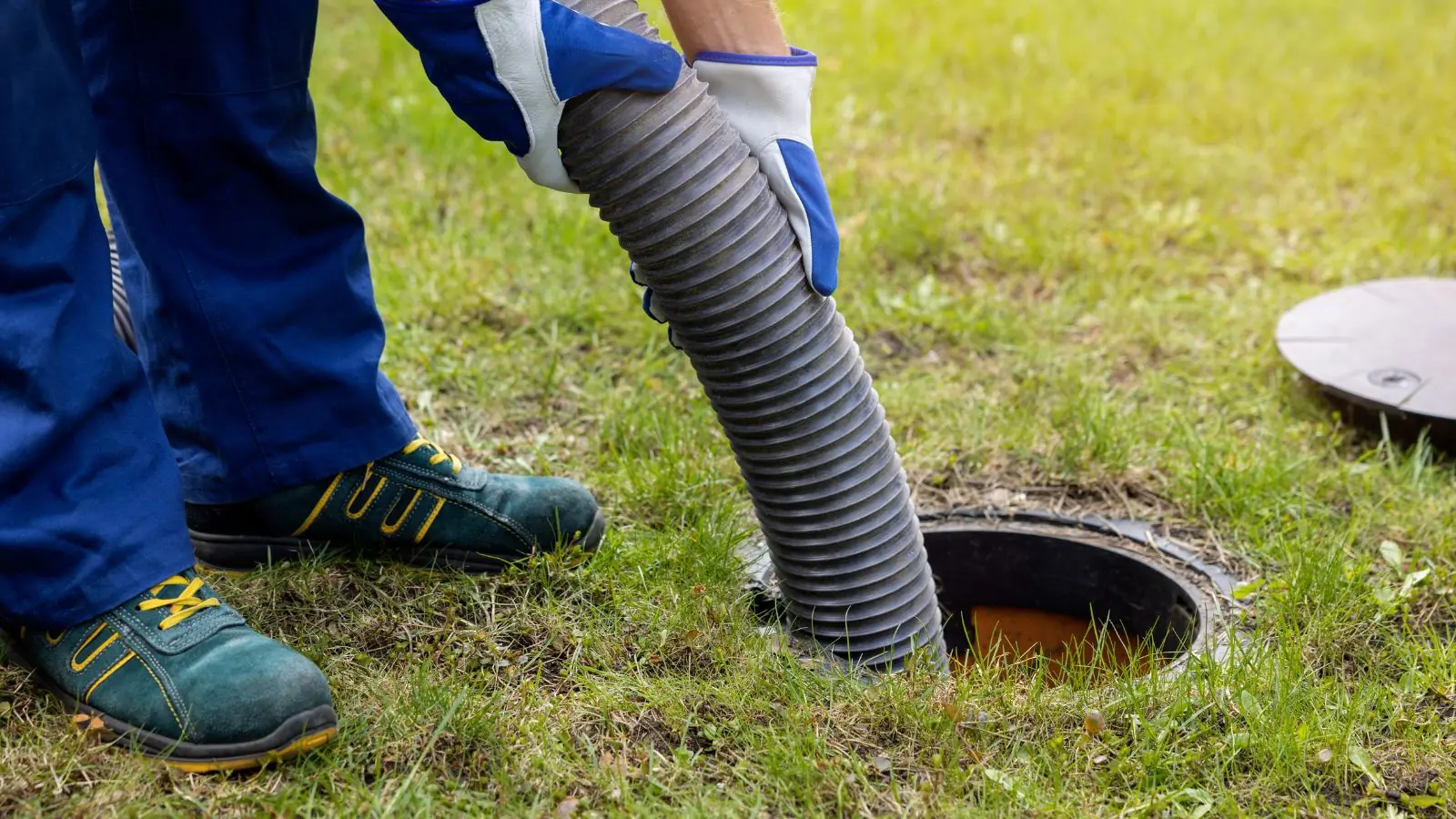
Sewage backup means contaminated water is coming up through a drain, toilet or floor drain. It carries bacteria and other contaminants, and the industry standard ANSI/IICRC S500 calls it Category 3. Cleanup is different from a clean water leak. People handling it wear protective gear, and porous materials that touched it are usually discarded.
If sewage is in your home, keep everyone out of the area, especially children and pets, and do not try to clean it with a household vacuum or a mop. Ask any company whether its crews follow S500. The EPA advises calling a professional for sewage or other contaminated water.
Raw sewage on the floor? What to do and what not to do
Raw sewage on a basement floor, a toilet that overflows and brings water back up, or a floor drain that bubbles and floods are the typical scenes. People call about a basement drain backing up, and the first concern is safety.
- Keep people and pets out of the affected area.
- Stop using sinks, toilets, showers and the washer, which all add to the backup.
- Do not use fans or a household vacuum on sewage.
- Do not step in water near outlets or appliances.
- Wash hands and anything that touched the water with soap and clean water.
- Take photos for your records, then call the 24/7 line.
Do not mix cleaners
Guidance issued by Lake County General Health District in 2013 warned never to mix ammonia products with bleach, because the combination releases toxic fumes. Do not mix cleaners while trying to disinfect.
Why backups happen and who to call
Backups come from a clog in the home's lateral line, a blockage or overload in the public main, or tree roots in an old line. Which part is responsible changes who repairs it. A homeowner is usually responsible for the lateral on private property, while the public main belongs to the city or county.
Local news in 2011 quoted the city manager as saying about two-thirds of flood reports that month were tied to sanitary sewer problems, which he described as the county's responsibility. After the 2013 storm the city put out a call for reports of flooding and sewer backup. Ask the City of Mentor and Lake County which agency maintains the sewer on your street, and report a public-main problem to them.
Sewage backing up now?
Stay out, stop using water and call the 24/7 line.
How sewage cleanup works
Crews use protective gear and remove the contaminated water with extraction equipment. Porous materials that absorbed it, including carpet, pad, insulation and some drywall, are removed and discarded. Hard surfaces and framing are cleaned and treated with disinfectant. The area is then dried with air movers and dehumidifiers and checked with moisture meters.
Everything leaves the area in sealed bags where required. For contents, the rule is simple: if it is porous and touched the water, it likely does not stay. Mattresses and upholstered furniture belong in that group, a point also made in the Lake County General Health District guidance.
What stays and what goes
| Material | Usual result | Reason |
|---|---|---|
| Carpet and pad | Discard | Porous, holds contamination |
| Drywall touched by sewage | Often cut out | Absorbs contaminated water |
| Hardwood and laminate | Case by case | Depends on contact time and construction |
| Tile, concrete, sealed surfaces | Clean and sanitize | Non-porous, can be cleaned |
| Upholstered furniture and mattresses | Discard | Porous, difficult to disinfect |
Sewage backup cleanup cost factors
Volume and duration
More water and longer contact mean more material is discarded.
Materials affected
Porous flooring and drywall add removal and rebuild.
Protective gear and disposal
Category 3 work requires more safety steps.
Cause of the backup
A plumber or the sewer authority repairs the line, separate from cleanup.
Rooms and levels
A basement room costs less to treat than a whole level.
Backup coverage varies a great deal, and many policies pay for it only with an added endorsement. Look for that endorsement on your declarations page before you call your insurer. For a real price on cleanup and sanitizing, call (833) 521-1033.
Sewage Backup Cleanup Questions
Should I wait until morning to call about sewage?
No. The line is staffed through the night, and sewage on a floor is not something to leave until daylight. Call and describe it.
Can I clean up a small amount of sewage myself?
Health authorities advise caution. The EPA says to call a professional for sewage or other contaminated water. If you handle anything yourself, use gloves and boots and keep children away.
Who is responsible for the sewer line?
Usually the homeowner for the lateral on private property and the public authority for the main. Ask the City of Mentor and Lake County which agency maintains the line on your street.
Will my insurance cover sewage backup?
Often only with a specific endorsement. Check your policy and ask your insurer, because this page cannot confirm coverage.