

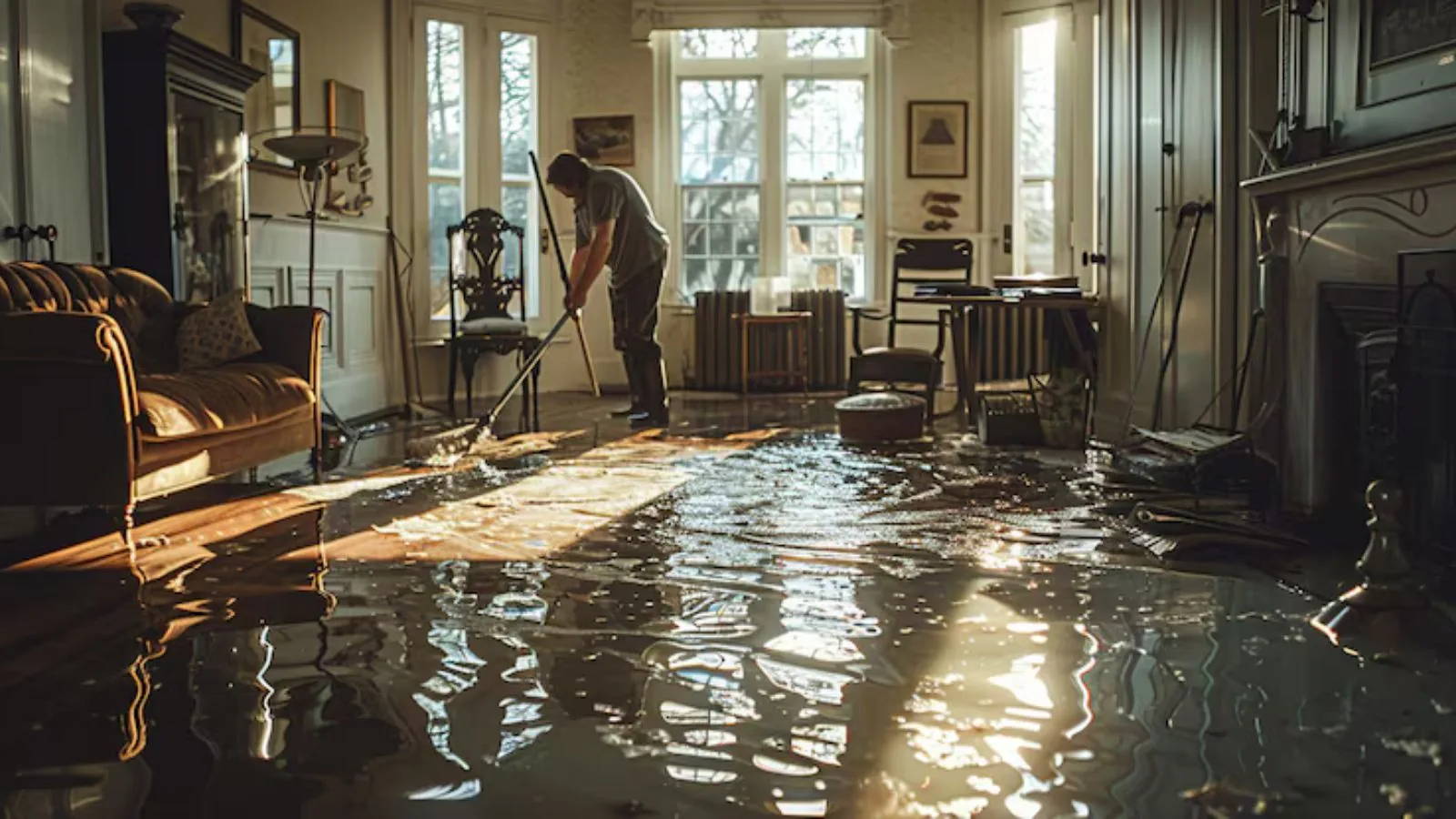
If water is standing in your Mentor, Ohio home, the first job is getting it out. Water extraction means using pumps and extraction units to remove standing water from floors, carpet and low areas before drying equipment goes in. This page covers that first step, and it is the reason most emergency calls start the way they do. The phone line is open 24/7, so call as soon as you can describe what you see.
While you wait, stop the source if that is safe. Shut off the main water valve for a supply line leak, keep people and pets out of the water, and lift valuables and small furniture off the floor. Stay away from wet outlets and appliances. If the water rose out of a drain or came in from outside, treat it as contaminated until a professional tells you otherwise.
When standing water is an emergency
Water deep enough to show ripples, water that has been in place overnight, and water in more than one room all count. So does any water near an electrical panel, a furnace or a finished basement. At that point the water is soaking into more than the floor surface. It wicks up drywall, saturates baseboards and moves under flooring.
Extraction is time sensitive for a simple reason. Every hour the water stays, the amount of material that has to be dried or removed grows. Pulling the water out early often decides whether carpet pad, cabinet bases and lower wall sections can be dried in place.
Electrical and contamination check before you step in
Do not wade into water if a panel, outlet or appliance could be live. Shut off power to wet areas only if you can reach the panel while standing on dry ground. Call 911 or the electric utility for any spark, buzzing or burning smell. Water from a sewer drain, toilet or outside is not clean water, so keep out of it.
Why Mentor water events turn into extraction calls
Mentor's own history timeline records a 2006 flood that caused extensive damage across the city after 9.7 inches of rain. The National Weather Service describes the same storm as bringing nearly 10 inches over about 20 hours in Lake and Cuyahoga counties. Smaller storms follow the same pattern, with water arriving faster than a drain or sump pump can move it.
The practical point is that a wet basement or main floor is rarely only a surface problem. If you are not sure how deep the water went or how long it has been there, describe it on the call and ask what the first step should be.
Standing water right now?
Call the 24/7 line and say where it is and how deep.
How extraction works, step by step
A typical extraction job follows a set order so that the water is removed once and the drying plan starts from accurate readings.
- Identify the source and the water category. Clean supply line water, gray water and sewage are handled differently.
- Pump out deep water with a submersible pump, then switch to extraction units once the depth drops.
- Pull water from carpet and pad with an extraction wand, and lift the pad when it cannot be dried in place.
- Vacuum and squeegee hard floors and tile, then check the edges where water hides under baseboards.
- Scan with moisture meters and a thermal camera to find wet materials beyond the visible water.
- Hand off to structural drying with air movers and dehumidifiers. See structural drying and dehumidification for that stage.
Extraction method by situation
| Situation | Method | What follows |
|---|---|---|
| Several inches of water in a lower level | Submersible pump, then extraction units | Moisture mapping and drying. See basement water damage cleanup |
| Soaked carpet and pad | Extraction wand, pad lifted if needed | Air movers under the carpet edge, or carpet replacement if contaminated |
| Water on tile, vinyl or concrete | Wet vacuum and squeegee | Dehumidification to pull moisture from the air and slab |
| Water from a toilet or floor drain | Protective gear, extraction, porous items discarded | Cleaning and sanitizing. See sewage backup cleanup |
| Water inside wall cavities | Extraction is not enough | Drying holes or flood cuts. See wall and drywall water damage repair |
What affects the cost of extraction
Extraction is priced by the situation, not by a flat number. These are the factors that move the scope.
Water category and source
Clean supply water is simpler than gray water or sewage, which add protective gear and disposal.
Depth and floor area
More water over more rooms means more pumping time and more equipment on site.
Materials that absorbed water
Carpet and pad, hardwood, drywall and insulation each need a different response.
How long the water sat
Water that has been in place for a day or more has usually reached the walls and subfloor.
Access and layout
Stairs, finished basements and tight spaces change how pumps and hoses are set up.
Coverage turns on the cause. Sudden, accidental water is often covered, gradual leaks and neglect often are not, and flood water usually needs its own policy. Photograph everything before it is moved, then read the water section of your policy or ask your agent. For a real number on your extraction, call (833) 521-1033 and describe the water.
Extraction is the first stage in the ANSI/IICRC S500 standard for water damage restoration, followed by drying and monitoring.
Water Extraction Questions
Can I call about standing water in the middle of the night?
Yes, the phone line answers 24/7, including weekends and holidays. Describe where the water is, how deep it looks and where it came from.
What is the difference between extraction and drying?
Extraction removes liquid water with pumps and extraction units. Drying removes the moisture that remains in wood, drywall and air, using air movers and dehumidifiers. Most jobs need both, in that order.
Can I use a shop vacuum myself on a small spill?
For a small spill of clean water that has not soaked into carpet or walls, a wet-dry vacuum can help. Anything bigger, anything from a drain, and anything near electrical equipment is better handled by a professional. For sewage or other contaminated water, EPA guidance is to bring in a professional.
Do you pump water out of a yard, driveway or pool?
This service covers water inside homes and buildings. Pumping an outdoor area is a different job, so say so when you call and you will get a straight answer.