

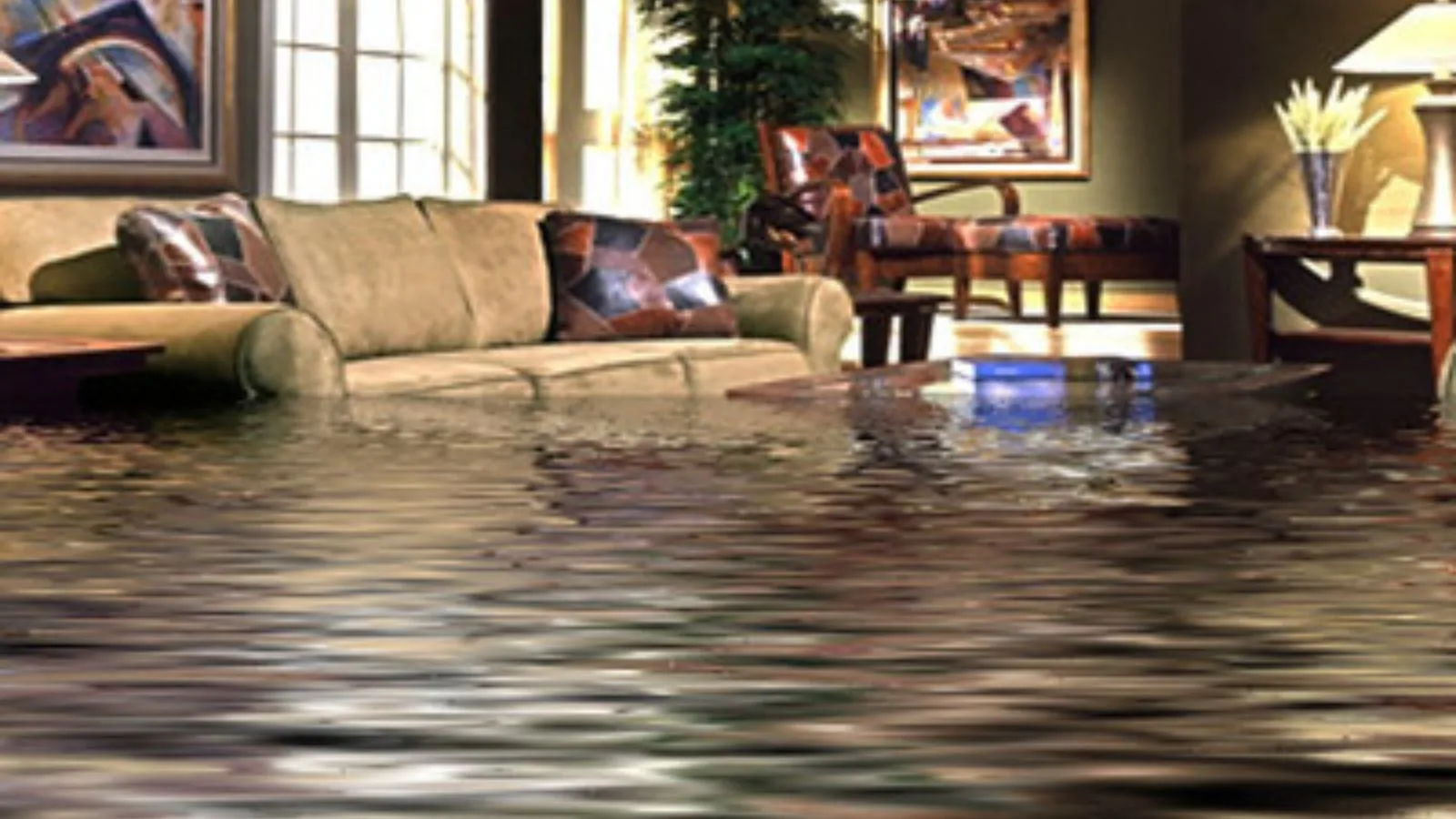
People searching for this usually have wet floors and a policy they have not read in years. The honest answer is that no article can tell you what your policy covers, because the wording differs between companies and between endorsements. What can be explained is the pattern. Most standard homeowners policies sort water losses by cause, and the cause decides the answer more than the size of the damage.
This guide uses general industry patterns, not a promise about any policy. Your declarations page, your policy form and your insurer are the sources that count. The Ohio Department of Insurance is the state regulator and can answer general questions about insurance rules.
The usual dividing line: sudden or gradual
Many policies cover water damage that is sudden and accidental, such as a supply line that bursts or a water heater that fails. Many policies exclude damage that builds slowly, such as a drip under a sink that ran for months, or damage blamed on poor maintenance. The same wet drywall can be a covered loss in one case and an excluded loss in another.
That is why the story of the leak matters. Note when you first saw the water, what failed, and what you did next. Do not guess about the cause. Say what you saw.
Common water losses and how policies often treat them
| Cause | Often covered? | Usual caveat |
|---|---|---|
| Burst or frozen supply pipe | Often yes | Policies may expect heat to be kept on in winter |
| Water heater failure | Often yes for the water damage | The heater itself is usually not covered |
| Appliance hose failure | Often yes if sudden | Gradual leaks are often excluded |
| Roof leak after storm damage | Often yes | Wear and age are usually excluded |
| Flood from rising water | Usually no | Needs separate flood coverage |
| Sewer or drain backup | Often no | Often needs an added endorsement |
| Long-term seepage or mold | Often limited | Look for mold limits in the policy |
Water spreading while you read?
Call the 24/7 line and start drying.
Flood and sewer backup are the surprises
Standard homeowners policies generally leave out flood damage from surface water, which is covered through separate flood insurance, such as a National Flood Insurance Program policy or a private one. Those policies often carry a waiting period before they start, so buying one after a storm is warning is usually too late.
Sewer and drain backup is a separate item. Many policies exclude it unless an endorsement was added. If you have never looked, look now. See cleanup after a sewage backup and the flood restoration page for how those losses are handled.
What to do in the first day
- Stop the water and protect what you can, because policies expect you to limit further damage.
- Take photos and video of the damage before moving things.
- Keep the failed part, such as a burst hose, if you can.
- Keep receipts for emergency steps.
- Call your insurer to open a claim and ask what they need.
- Call a restoration company so drying can start while the claim is processed.
What restoration records help with
A restoration crew documents the water category, the affected rooms, moisture readings and equipment days. Those records show the extent of the loss and the work done. They do not decide coverage, but they give the adjuster facts. Ask for them as the job goes on, since asking at the end is harder.
For drying details, see air movers and dehumidifiers at work. For the first removal step, see water extraction.
How to read your own policy before you need it
Start with the declarations page, which lists your deductible, your limits and any endorsements. Then find the section on water, and read the exclusions as carefully as the coverage. Look for words like sudden, accidental, seepage, continuous, flood, surface water and backup, because those words decide most water claims.
Look for sub-limits too. Some policies cap mold or water backup at a smaller amount than the main dwelling limit. Write down the numbers in one place so you are not hunting through the form during a crisis.
Finally, ask your agent three questions and keep the answers. What counts as sudden under this policy? Is water backup included, and to what limit? How soon after a loss must I report it? Agents answer these every day, and the answers are worth more than any general guide.
Common mistakes that weaken a water claim
- Throwing away the failed part before photographing it.
- Waiting days to report, so the loss looks gradual.
- Skipping photos of items before they are discarded.
- Hiring repairs before the insurer has seen the damage.
- Guessing about the cause in writing.
None of these ruins a claim on its own, but each makes the insurer's job harder and yours too. Photograph first, report promptly, describe what you saw and keep every receipt in one folder.
What your insurer may ask for
Insurers often want drying logs and photos. A crew that follows the ANSI/IICRC S500 standard keeps moisture readings through the job, which gives you records to hand over with your claim.
Questions and Answers
Will my insurer cover the cost of drying and cleanup?
If the loss is covered, reasonable mitigation is usually part of it. Ask your insurer, because the answer depends on the cause and the policy wording.
Does Mentor flooding mean I need flood insurance?
Check the FEMA flood map for your address and talk to an insurance agent. Flood coverage is separate from a homeowners policy, and the map shows mapped hazard areas only.
Should I wait for the adjuster before starting drying?
Water keeps doing damage while you wait. Document first, then dry. Tell the adjuster what you did and why.
Can I pick my own restoration company?
Many policies let you choose, though some insurers have preferred vendors. Ask what your policy says.
A local reminder from Mentor's history
In 2013 a local disaster area was declared by Lake County Emergency Management after storms. Events like that are why flood and backup coverage deserve a look before a storm arrives, not after one.
Search the FEMA Flood Map Service Center by address, and ask the city about drainage near your lot.