

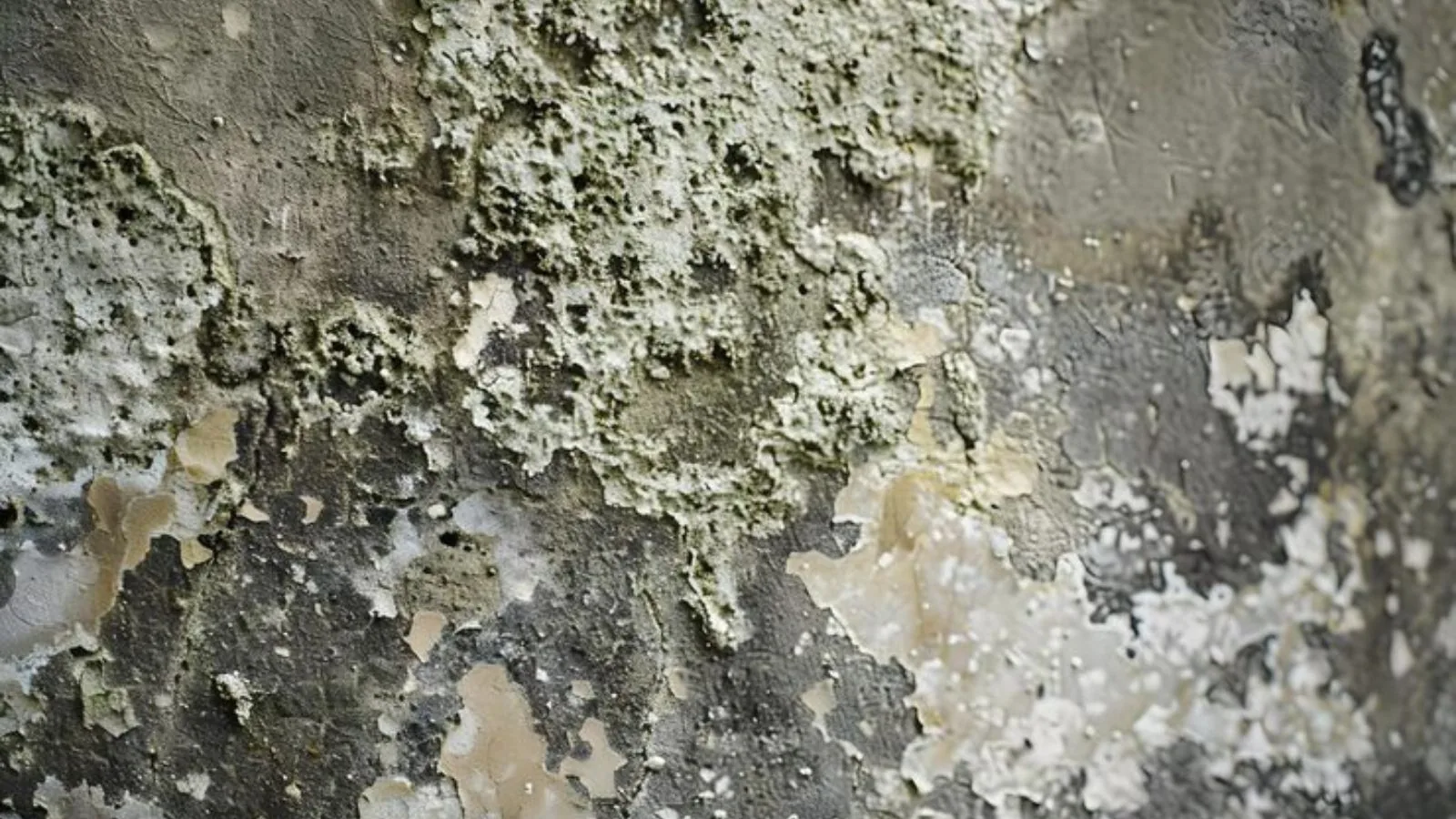
Basements are where mold shows up most often in houses, because they are cool, partly underground and prone to damp. A musty smell, spots on a wall or a white powdery film on concrete all prompt the same question. How do I get rid of it? The honest answer starts with where the water is coming from.
This guide puts the steps in order. It covers small spots you can handle, larger areas that need professional containment, and the prevention steps that keep it from returning. Nothing here is health advice, so take any health worry to a physician.
Step 1: find the moisture
Look for the source before you touch the growth. Check for a plumbing leak, condensation on cold pipes, seepage through the wall, a window well that fills, a dryer vent that dumps humid air or a floor drain that backs up. Moisture meters and a thermal camera help find hidden sources.
Until the source is fixed, cleaning only buys time. See basement water damage cleanup if water has been getting in.
Step 2: decide how big the problem is
| Situation | Usual approach | Who does it |
|---|---|---|
| Small spot on a hard surface | Careful cleaning and drying | Homeowner, with gloves and a mask |
| Growth on drywall or paneling | Remove affected material | Professional |
| Widespread growth or hidden growth | Containment, HEPA filtration and removal | Professional |
| After sewage or flood water | Treated as contaminated | Professional |
Basement smell not going away?
Call and describe it.
Step 3: handle small spots carefully
For a small area on a hard surface such as a sealed concrete wall, wear gloves, eye protection and a respirator, wipe with detergent and water and dry the surface completely. Never combine cleaners, since some pairings release dangerous fumes. Throw away rags and sponges in a sealed bag.
If the growth comes back within days or weeks, the moisture is still there. Stop cleaning and look again for the source.
Step 4: when to call for remediation
Call when the area is large, when it is on porous materials like drywall or carpet, when it follows a flood, or when you cannot find the source. Remediation uses containment, negative air with HEPA filtration, removal of affected materials and cleaning. Then the area is dried and verified.
See mold remediation for the full process.
Step 5: keep it from coming back
- Run a dehumidifier sized for the room and aim for the humidity range the EPA recommends.
- Keep gutters clear and downspouts pointed away from the foundation.
- Keep stored items off the floor and away from exterior walls.
- Repair leaks on the day you find them.
- Check the basement after heavy rain.
What not to do
- Do not paint over mold with sealing paint and expect it to be fixed.
- Do not run a fan on a large patch.
- Do not mix bleach and ammonia.
- Do not rebuild a wall until readings are dry.
A few notes on finished basements
Finished basements add drywall, insulation, carpet and trim to a space that already tends to run damp. Moisture can sit behind those finishes for a long time. A musty smell with no visible growth often means the problem is behind the wall.
In that case, a moisture reading through the wall surface is the least destructive way to check. If readings are high, a small inspection opening at the wall base may be next. Cutting is more expensive than checking, so check first.
Also look at what is touching the walls. Furniture pressed against an exterior wall blocks airflow and can hold moisture against it. Moving it a few inches away costs nothing and helps.
Basement humidity targets and tools
A hygrometer is a small, inexpensive gauge that shows humidity. Place one in the middle of the basement and one near a suspect wall. If readings stay above 60 percent, a dehumidifier sized for the space is a reasonable step. Empty it or run it to a drain so it does not shut off when full.
None of this replaces fixing a leak. A dehumidifier fights humidity, not a plumbing problem or a failed sump.
Questions to ask a remediation company
- Will you set up containment and negative air for this size of area?
- Will you find and tell me the moisture source?
- How will you check that the area is dry before rebuilding?
- Can clearance testing be done by a separate assessor?
- What records will I receive?
Clear answers to these questions suggest a plan. Vague ones suggest a rush job that may not last.
A final note on timing
Basement jobs take patience. Fixing the source, drying and verifying take longer than cleaning, but they are what keep the problem from returning.
Where the guidance comes from
Per the EPA, mold can start on damp surfaces within 24 to 48 hours, and the published guide for mold work is ANSI/IICRC S520. Both are worth a look before you hire anyone.
Questions and Answers
Why does my basement smell musty with nothing visible?
Mold or damp can hide behind finished walls and under flooring. A moisture reading helps find it.
Will a dehumidifier get rid of mold?
It lowers humidity, which stops new growth, but it does not remove growth that already exists.
Does bleach solve basement mold?
Bleach does not fix a moisture problem, and it does not penetrate porous materials. Remove the moisture and the affected material.
Do I need a permit for basement remediation in Mentor?
The city building office can say whether a remediation job needs a permit.
A Mentor basement reminder
A 2011 news report quoted Mentor's city manager tying roughly two of every three flood reports that month to sanitary sewer trouble. A basement that smells musty after a backup deserves the same care as one that took in rain.
Your own basement is the real test, so check grading and downspouts around your foundation after heavy rain.