

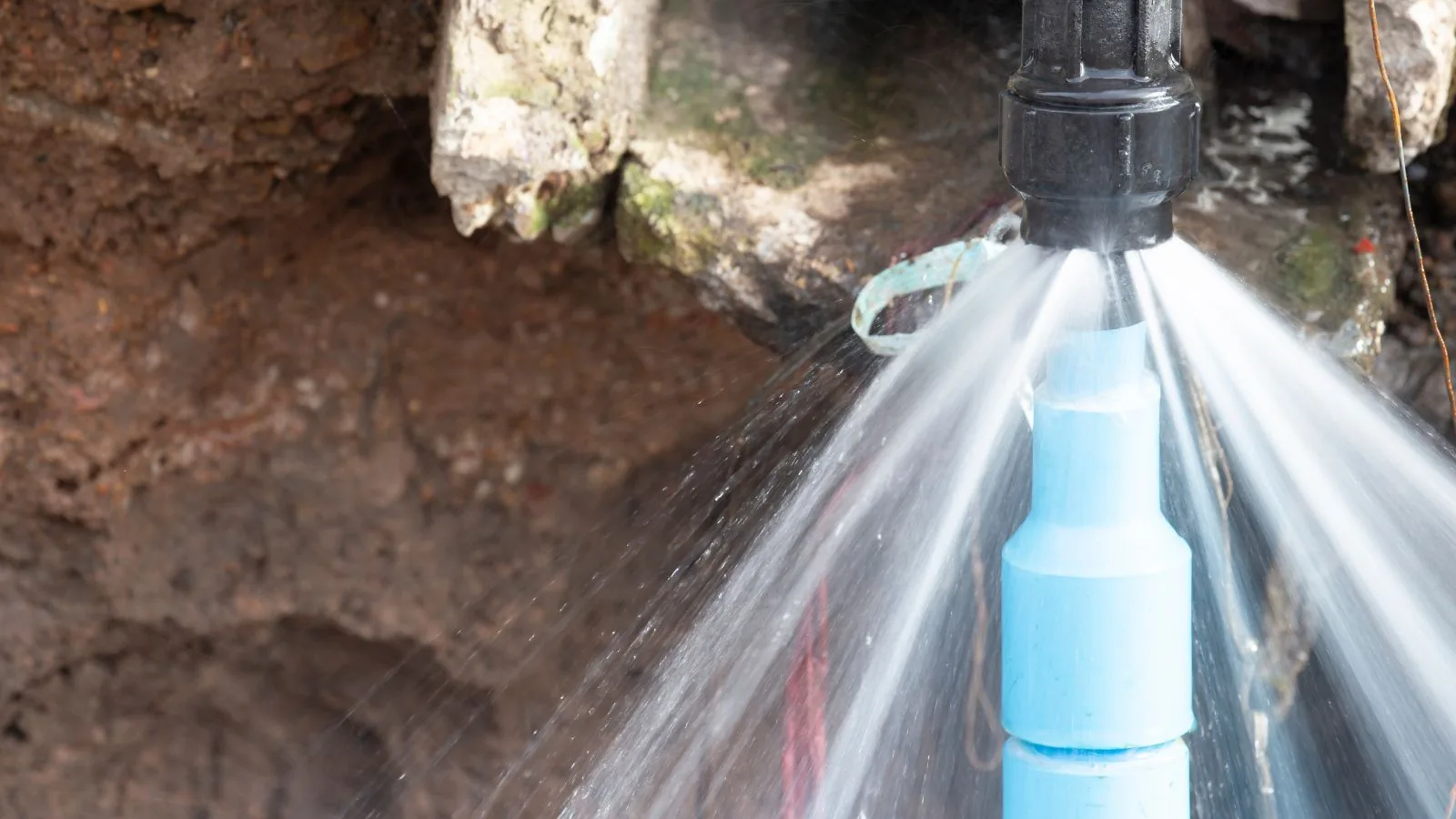
The most useful thing a homeowner can know in a water emergency is where the main shut-off is. A burst pipe can release a lot of water in a short time, and closing the main stops it. Many people look for the valve for the first time while water is on the floor, which is the wrong moment to learn.
This guide explains where the valve usually is, which kinds exist and how to close one. It is general. Your house may be different, so find your own valve today and test it.
Where to look
- Where the supply line comes into the house, often on a basement or utility room wall facing the street.
- Near the water meter, if it is inside.
- Near the water heater or the washer in the utility area.
- In a crawl space or a closet in slab homes.
- Outside in a meter pit, which is the utility's valve and not yours to operate.
Types of shut-off valves
| Valve type | How it works | How to close it |
|---|---|---|
| Ball valve | A lever handle on a short stem | Turn the handle a quarter turn so it crosses the pipe |
| Gate valve | A round wheel handle | Turn clockwise several turns until it stops |
| Stop valve at a fixture | A small oval or round handle at a sink or toilet | Turn clockwise to close that fixture only |
Valve closed and water everywhere?
Call the 24/7 line.
How to close it, step by step
- Walk to the valve and make sure the floor around it is dry.
- Turn it off, and do not force it if it resists.
- Open a tap at the bottom-floor fixture and let the lines drain.
- Check that the water has stopped running where it was leaking.
- Take photos of the water and the damage.
- Call for help so drying can start.
Do not force a stuck valve
A valve that has not moved in years can break if forced. If it will not turn, call a plumber or the water utility, and shut off the water at the meter only if you know how.
What to do if you cannot find it
Look at the water meter, which is near the main. If the meter is outside, the utility has a valve there, but it is usually not for homeowners to operate. Call your water utility and ask them to close it. If the leak is at a single fixture, close the stop valve at that fixture.
If the water is coming through a ceiling or wall, shut off the main and stay away from wet outlets. See burst pipe water damage.
Test your valve once a year
Close the valve and open it again. Valves that are never used can seize. If yours is stiff, a plumber can replace it, and doing so before an emergency is far easier than doing it during one. Also tag it so anyone in the house can find it.
Know where the individual shut-offs are for the washing machine, the water heater and the dishwasher. Those can stop a single leak without shutting off the whole house. See appliance leak water damage and water heater leak cleanup.
What happens after the valve is closed
Closing the main stops new water from entering, but the water already out is still spreading. Pull rugs and small items off the floor, put towels where water is moving, and keep clear of wet outlets. Take photos of the source and the water line before you move things. Then call, since standing water and wet drywall begin doing damage as soon as they are wet.
You can still use bottled water and the toilet tank for a short while. If the main stays off for repairs, ask the plumber when the system will be back on.
Common mistakes during a leak
- Looking for the valve while water is still running, instead of going straight to it.
- Forcing a stiff valve until it breaks.
- Walking through water near outlets to reach the valve.
- Closing only the fixture valve when the leak is inside the wall.
- Waiting to call until the water stops.
Practice once while nothing is wrong. A few minutes in a calm moment saves a lot of stress in a bad one.
Keep a plumber's number handy
A plumber can repair the source, replace a stuck valve and restore the supply. Put a plumber's number next to the valve tag, along with your insurer's claim line. When something fails, you will not need to search for either.
After the plumber is done, ask whether the line was tested under pressure and whether any valves need replacing soon. Then call a restoration crew about anything that got wet.
Questions and Answers
Why does the main shut-off matter so much?
It stops the supply to the whole house, and that stops most pipe leaks at once.
Should I shut off the electricity too?
Only if you can reach the panel without touching water. If water is near the panel, stay away and call a professional.
Who is responsible for the valve at the street?
That valve belongs to your water utility. Call them rather than trying to operate it.
Can I replace a stuck main valve myself?
A plumber should do it, since it involves shutting off the supply and working on the line.
Mentor homes and shut-offs
Whether a given Mentor house has a basement, a crawl space or a slab depends on how it was built, so the valve location differs. The Lake County Auditor record and your own plans can show the type.
If your valve is in a crawl space or behind a finished wall, see crawl space water damage and plan access before an emergency.