

The best time to deal with storm water is before it arrives. A clogged gutter, a sump pump that never got tested or a shut-off valve nobody can find turns a manageable storm into a long week. None of the jobs below take special skill, and most take less than an hour.
This guide puts them in order, from the roof down to the basement, and ends with what to do if water gets in anyway. It is general advice. Your own house may need more, and your insurer and building department are the sources for questions about coverage and permits.
Outside the house first
- Clear gutters and downspouts so water leaves the roof quickly.
- Check that downspouts discharge several feet from the foundation.
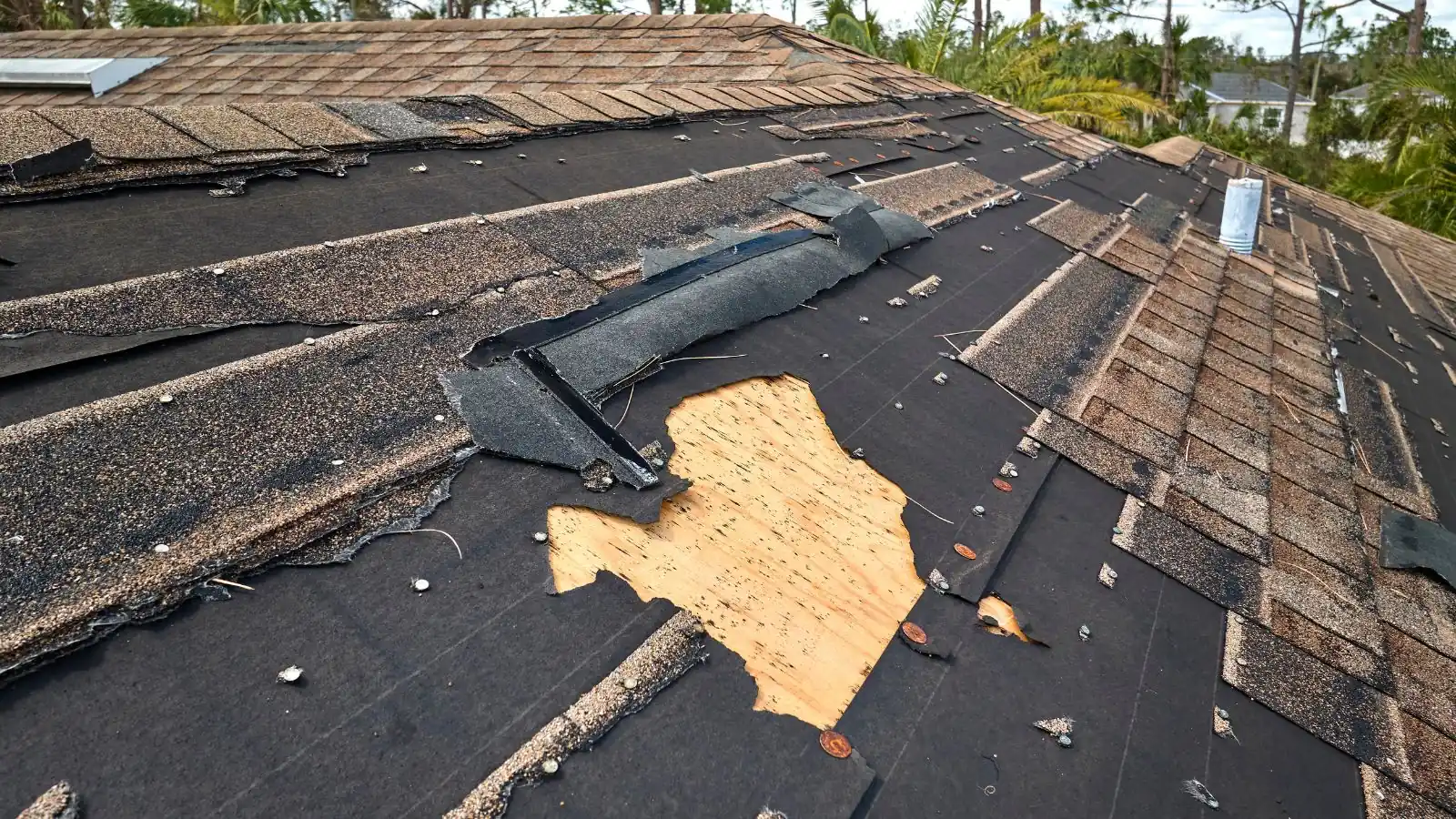
- Look at the roof for missing or lifted shingles.
- Check the grade near the foundation, which should slope away from the house.
- Clear leaves from window wells and drains.
- Trim branches that could fall on the roof or lines.
Basement and sump pump checks
If you have a sump pump, test it by pouring a bucket of water into the pit and watching that the pump turns on, empties the pit and shuts off. Check the discharge line outside for blockage. A battery backup is worth considering, because storms often knock out power at the moment the pump is needed most.
Look at the floor drain, which should be clear. If the house has had sewer backup before, ask a plumber about a backflow prevention device. See basement flood cleanup for what happens when water gets in anyway.
Water coming in during a storm?
Call the 24/7 line.
Know your shut-offs
Find the main water shut-off and the electrical panel, and make sure every adult in the house knows where they are. Label them if that helps. In a flood, you want the power off at the panel only if you can reach it without standing in water. If you cannot, leave the decision to an electrician or the utility.
If the main valve will not turn, a plumber can replace it before the storm season, which is far easier than doing it in an emergency.
Protect belongings and records
| Item | Action | Why |
|---|---|---|
| Documents and photos | Move to a waterproof box on an upper floor | Paper is hard to recover |
| Electronics | Store off the floor | Water reaches outlets and low shelves first |
| Basement storage | Use plastic bins on shelves | Cardboard soaks and collapses |
| Home inventory | Take a video walk-through | Helps when you document a claim |
| Insurance papers | Keep a copy off site or in the cloud | You need them after a loss |
Check your insurance before the storm
Read the declarations page and ask your agent about water backup and flood coverage. Flood coverage is separate from homeowners insurance, and flood policies usually have a waiting period. A policy bought after a warning may not help in time.
Keep your agent's number and your policy number in your phone and on paper.
If water gets in anyway
If a pipe is the source, stop it. Avoid wet outlets and the panel, move small items up and photograph everything. Then call. The first steps on the page about storm damage cleanup explain what to do while help is on the way, and first-step water removal explains what the first removal looks like.
A prep timeline you can follow
| When | Task | Time needed |
|---|---|---|
| Weeks before | Clean gutters, check the roof, test the sump pump | An afternoon |
| Days before | Move belongings off the basement floor, charge phones, check supplies | An hour or two |
| During | Stay clear of wet outlets, watch the sump and the basement corners | Ongoing |
| After | Photograph damage, call insurer, call for drying if water got in | As soon as it is safe |
A small supply kit worth having
- Flashlights and spare batteries.
- A phone charger or power bank.
- Plastic sheeting and towels.
- Work gloves and rubber boots.
- A copy of your insurance information.
- Bottled water and basic food for a day or two.
None of this is special. It is a short list that makes the first hours of a storm easier to manage.
After the storm passes
Walk the outside first. Look for lifted shingles, damaged gutters and standing water near the foundation. Then check the basement, the attic and the ceilings. Take photos before you clean up. If water is present, call, and keep clear of wet outlets until you know they are safe.
Keep the receipts for any emergency work, such as tarping or boarding. Many insurers expect you to prevent further damage, and the receipts show what you did.
Questions and Answers
How often should I test my sump pump?
Testing before the rainy season and after any long dry spell is a common habit. A manufacturer manual may suggest more.
Should I buy flood insurance?
Look up your address on the FEMA flood map and speak with an agent. Flood coverage is its own policy, and waiting periods often apply.
Is it safe to turn off power during a flood?
Only when reaching the panel means staying out of the water. Otherwise wait for an electrician or the utility.
Where can I learn about local drainage in Mentor?
City hall's building and stormwater staff can tell you about drainage near your address.
Why Mentor homeowners prepare
A 2006 storm that dropped 9.7 inches of rain sits on the city's history timeline as a flood with extensive damage. Storm water in 2013 was serious enough for Lake County Emergency Management to declare a local disaster area.
In 2011, local news reported, a two-inch rain over five hours caused flooding because the ground was frozen and snow was melting. Storms of different sizes cause water problems, which is why basic prep matters.