

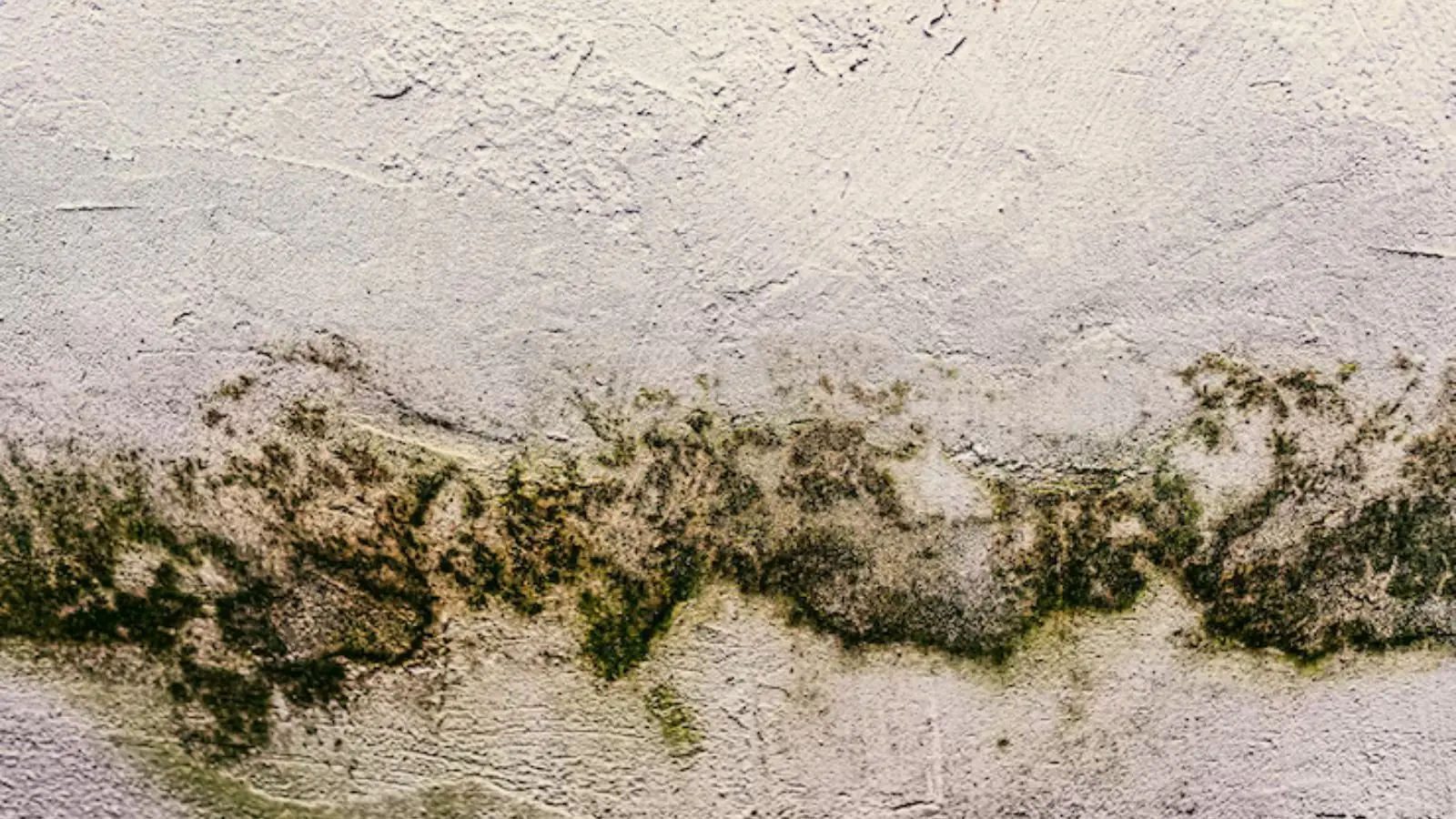
People often ask whether they have a water problem or a mold problem. Usually the answer is both, and the order matters. Water comes first, and mold is what happens when the water stays. If you deal with the water quickly, mold often never starts. If you deal with it slowly, mold becomes a second job on top of the first.
This guide follows the timeline from the leak to the growth, explains what you can do at each point, and says when the work moves from drying to remediation. No health claims are made here, and anyone worried about health effects should see a physician.
The timeline from a leak to growth
| When | What is happening | What helps |
|---|---|---|
| First hours | Water spreads and soaks porous materials | Stop the source and extract |
| First 24 to 48 hours | Mold can begin growing on wet materials, per the EPA | Start drying with equipment |
| Several days | Materials that stayed wet may show spots or odor | Check readings, remove what cannot dry |
| Weeks | Growth may spread across wet drywall, pad and insulation | Containment and removal |
Why drying quickly is the whole game
Mold needs moisture. Remove the moisture, and the growth has nothing to feed on. That is why professional crews bring air movers and dehumidifiers on day one and measure progress each day. The aim is to bring the materials back to a normal moisture level before the clock runs out.
See what drying involves for how that works in practice.
Water still sitting?
Call the 24/7 line.
Where water damage turns into mold most often
Wet carpet pad
The pad holds water and stays damp under the carpet. See drying or replacing carpet.
Drywall after a wall leak
Wet drywall paper is a good food source and dries slowly.
Basement walls and corners
Cool, damp air and little airflow let moisture linger.
Attic insulation after a roof leak
Wet insulation stays wet in a closed space.
What to do if the water is already days old
Do not assume it is too late, and do not assume it is fine. Get a moisture reading, because readings show what is still wet. If materials read dry and have no odor, drying may be done. If they read wet, they should be dried or removed now.
If you see growth, stop and think before you touch it. A small spot on a hard surface can be cleaned. A larger area, or growth on drywall, pad or insulation, is a job for containment and removal. See the mold remediation page.
What testing can and cannot tell you
Testing can show whether spores are present in the air or on a surface, and a clearance test after the work can show whether the area is ready to rebuild. It cannot replace fixing the moisture. The EPA notes that if you can see mold, testing is usually not needed to decide to act.
If you want testing, use a separate assessor from the company that does the removal, so the person grading the work did not do it.
Steps that break the chain
- Stop the source of water.
- Extract standing water.
- Dry with equipment and verify with readings.
- Remove materials that cannot dry.
- Keep humidity under control afterward.
- Look again after a few weeks if the area was wet.
Signs the water problem has become a mold problem
- A musty smell that does not fade after the area dries.
- Spots or fuzzy patches on drywall, trim, pad or the back of carpet.
- Stains that return after painting.
- Wall or floor materials that stay cool and damp.
- Paint that bubbles or peels again after repair.
Any one of these is a reason to check moisture readings and look behind the surface. The earlier you look, the smaller the job tends to be.
A realistic expectation for how long it takes
Drying takes days. Mold remediation, if it is needed, adds containment, removal, cleaning and drying again, so it takes longer than drying alone. Rebuilding follows after that. Everything depends on how much material is affected and how fast readings come down.
Ask for a timeline in writing and ask what readings will mark each stage as complete. A clear timeline is a good sign, and a vague one is worth questioning.
A note on cleaning products
Household cleaners can remove surface stains but do not dry the material underneath. Never combine bleach and ammonia, a warning county health officials repeated after the 2013 storm.
Questions worth asking a professional
Ask what moisture readings were taken and where. Ask which materials are being dried in place and which are being removed, and why. Ask how the crew will keep dust and spores from moving into clean rooms while the work is underway.
Ask for the readings again at the end of the job. A dry number on paper is the clearest sign that the work is done and that the risk of mold has dropped.
Questions and Answers
Does every water leak lead to mold?
No. Quick drying often prevents it. Mold becomes likely when materials stay wet for days.
How do I know if a leak I fixed is truly dry?
A moisture reading tells you. Touch alone is not reliable, because materials can feel dry on the surface and still hold moisture inside.
Can I handle a small amount of mold myself?
A small spot on a hard surface may be cleaned with care. Larger areas or growth on porous materials should be assessed first.
Is mold common after Mentor storms?
No local statistic is cited here. Whether a home gets mold depends on how long its materials stay wet.
Why Mentor homes see moisture after storms
Heavy rain in this part of Ohio can overload drains and soak basements, as the 2006 flood showed. After the 2013 storm, health officers listed what to throw out after floodwater came inside, so wet materials do not linger.
After a storm like that, a basement that is dried fast is far less likely to need mold work. See the basement water damage page.