

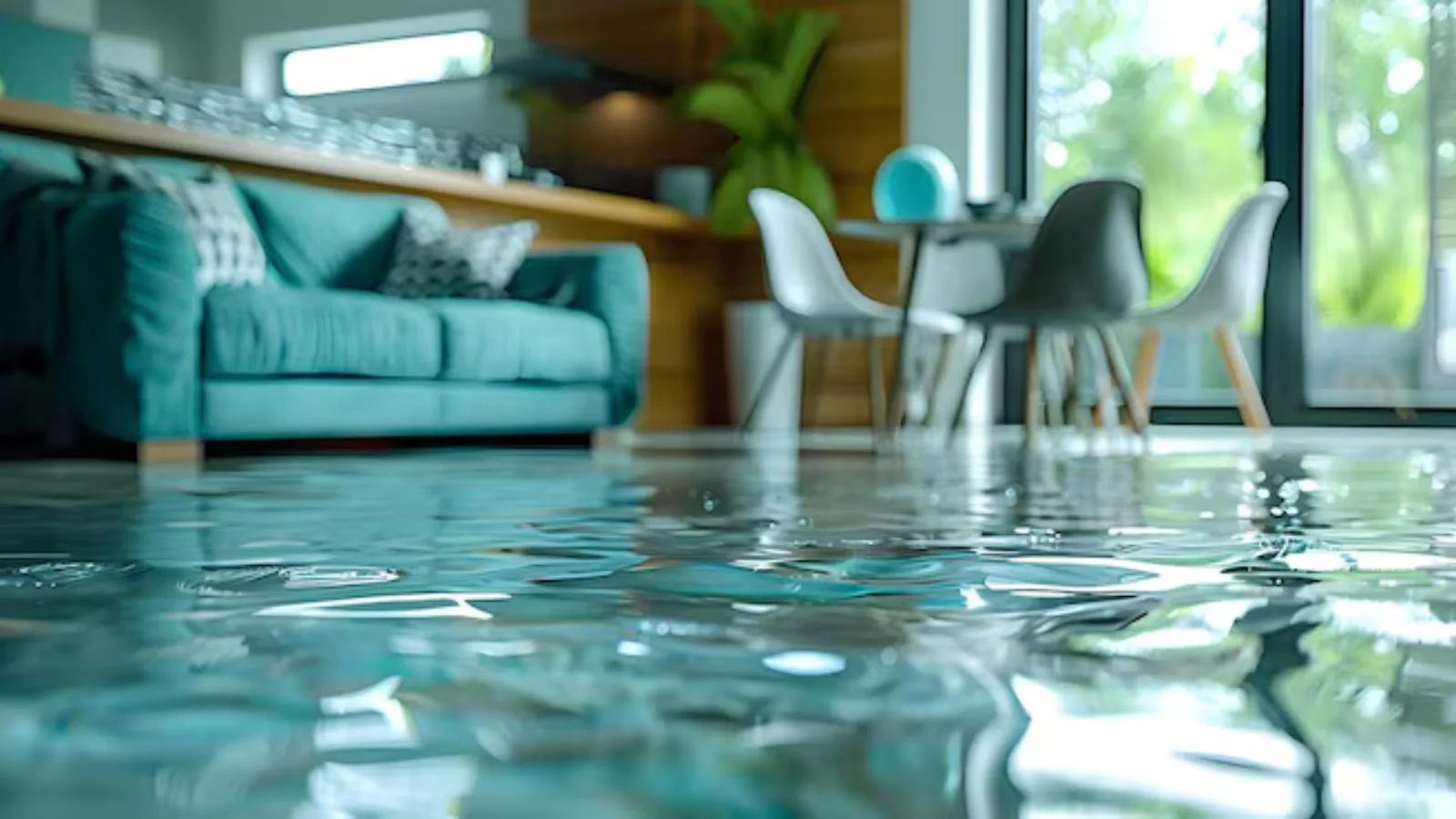
If you have never needed one, a water mitigation company can sound vague. In practice the job is concrete. A crew arrives, finds where the water is, takes it out, dries the building and writes down what it did. The word mitigation just means reducing harm, and in water damage that means acting before wet materials fail or grow mold.
This guide walks through the steps in the order they happen. It also explains what mitigation does not include, because the line between mitigation and repair confuses a lot of homeowners and shows up in insurance conversations.
Step 1: the call and the safety check
The first call sets the order of work. The dispatcher asks where the water is, what is below it and whether it touched outlets or appliances. If the source is still running, the first instruction is to shut it off. A crew that arrives before the source is stopped is bailing a boat with the tap open.
On arrival, the crew checks for hazards such as wet electrical equipment, slippery floors and contaminated water.
Step 2: finding where the water went
Water does not stay where it landed. It runs under baseboards, wicks up drywall and soaks insulation. The crew uses moisture meters and a thermal camera to map the wet area and records the readings. That map is the plan for everything after it.
The crew also identifies the water category, since clean water, gray water and sewage are handled differently. Category 3 water changes what can be kept, which is covered on the the sewage backup page page.
Want a crew on the way?
Call the 24/7 line.
Step 3: extraction
Standing water comes out first with pumps and extraction wands. Carpet and pad are extracted in place when they can be dried, and lifted when they cannot. This is the part most people picture. See extracting standing water for details.
Step 4: removing what cannot dry
Some materials will not recover. Wet insulation, saturated drywall and soaked pad are cut out and bagged. Removing them early helps the rest of the structure dry and prevents mold on materials that were never going to dry.
A good crew explains each removal and ties it to a reading. If a crew cuts a wall without a reading, ask why.
Step 5: drying and monitoring
Air movers and dehumidifiers go in, and the crew returns each day to take readings and adjust equipment. The job ends when the wet materials reach the target. Because EPA guidance calls for drying wet materials inside a day or two, equipment goes in on day one. See drying with moisture readings.
What mitigation does not include
- Plumbing repair, which a plumber does.
- Roof repair, which a roofer does.
- Rebuilding drywall, flooring and cabinets, which is the repair stage.
- Waterproofing, which is a separate trade.
- Deciding whether your policy covers the loss.
How to tell a crew is working properly
- They ask about safety and the source before anything else.
- They take moisture readings and show you the numbers.
- They explain each removal and tie it to a reading.
- They set equipment up and return to check it daily.
- They tell you what is mitigation and what is repair.
- They give you photos and a log for your records.
A crew that cannot show a reading for a cut or a removal is asking you to trust a guess. Ask politely for the number.
What you can do while the job runs
Keep doors closed to dry rooms, do not unplug equipment, and keep children and pets away from it. Photograph the setup each day, and keep a list of anything the crew moves or removes.
If the structure is still wet when you were told it would be dry, call and ask for the log. Sometimes the answer is that a hidden source needs a look, and sometimes the answer is just more time. Either way, the numbers explain it.
Common questions from people on their first job
Most people are surprised by two things. The first is the equipment, which is louder and bigger than they expect. The second is how many days drying takes. A house that feels dry to the hand can still hold moisture in the framing, and the meters are what show it.
Others are surprised by how much is removed. Cutting drywall and pulling pad looks drastic, but it is what keeps a bigger problem from forming. A crew should always be able to say what reading led to each removal.
After the equipment leaves
When readings reach target, the equipment is removed and you receive the records. Walk the rooms with the crew, ask about anything that still smells damp and keep the log. Repairs can then begin.
The standard behind the work
Reputable restoration companies work from ANSI/IICRC S500, the published water damage restoration standard. It covers water categories, drying goals and documentation. Asking whether a company follows it is a fair question on the first call.
Questions and Answers
How long does a mitigation job last?
Extraction is usually the first day, and drying often takes several days depending on the material. Readings decide when it is done.
Is mitigation the same as restoration?
Mitigation is the first part, which stops the damage from growing. Restoration is the wider term, and often includes the repair stage.
Will I get a record of the work?
Yes, if you ask for it. Daily readings, photos and an equipment log all help when you talk to your insurer.
Do mitigation crews work in Mentor at night?
Yes, the phone line here is open 24/7 and crews can start whenever the water is found.
Mentor context for mitigation
Mentor sits on Lake Erie, and Mentor's timeline marks 2006 as a year of serious flooding, with 9.7 inches of rain in one storm. When storms bring water faster than drains can move it, the first calls tend to be about basements and floors. See basement water damage cleanup.
Shops and offices along Mentor Avenue have their own needs, covered under commercial water damage restoration.